
North Face Nuptse returns to the spotlight with a sharper eye on what an icon can do
08/October/2026

The North Face is placing its Nuptse jackets at the centre of its FW26 “Ever Icons” story, presenting the puffer as more than a seasonal fashion staple. Rooted in mountaineering, defined by oversized baffles and adopted by city life, the Nuptse remains one of the brand’s most recognisable products—but its enduring appeal depends on whether its retro design still delivers practical warmth and everyday versatility.
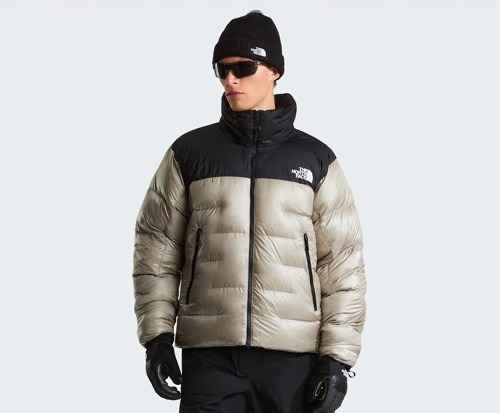
More than three decades after its debut, the Nuptse is being asked to do what it has done for years: move between the mountain and the city. The North Face’s Fall/Winter 2026 “Ever Icons” release builds on that dual identity, pairing a technically upgraded Summit Nuptse with a reversible model designed to offer two looks in one jacket.
Few garments in modern fashion history have managed to straddle the line between extreme alpine performance and global streetwear dominance quite like The North Face Nuptse Jacket. Named after Nuptse—a towering mountain peak located just two miles southwest of Mount Everest in the Nepalese Himalayas—the jacket was engineered for frozen, high-altitude expeditions. Yet, over three decades after its introduction, it remains an unquestioned seasonal titan on city streets worldwide.
Introduced in 1992 as part of The North Face Nuptse Expedition System, the jacket began as mountain equipment before becoming one of the company’s most recognizable silhouettes. Its oversized baffles and distinctive shape helped it travel beyond its original setting; the new collection leans into that history while presenting the Nuptse as both performance gear and a familiar piece of urban outerwear.
When The North Face first released the Nuptse in 1992, it was strictly designed as an expedition-grade insulating layer built for high-alpine athletes. Its design featured explicit functional engineering that unintentionally created its signature silhouette:
Cropped Hem: The torso was deliberately cut short to prevent the jacket from bunching underneath a climbing harness or hip belt.
Reinforced Yoke: The upper chest and shoulder panel featured a heavy-duty, double-layer nylon overlay designed to withstand the friction of heavy backpack straps.
Horizontal Baffles: Packed with premium goose down, these oversized horizontal chambers locked warm air in place and prevented down migration in sub-zero climates.
Packable Construction: Designed to stuff down tightly into its own internal pocket, allowing expedition climbers to stow it away efficiently.
The distinctive two-tone color blocking—combining high-visibility jewel tones like cobalt blue, yellow, and red with a black shoulder overlay—was purely functional, intended to help rescue teams spot climbers against white snow cover.
The Streetwear Transmutation
By the mid-1990s, the Nuptse underwent one of the most remarkable cultural migrations in outerwear history. As cold harsh winters swept through New York City, local hip-hop artists, graffiti artists, and urban commuters adopted the puffer for its incredible warmth-to-weight ratio and rugged durability.
Iconic music videos, photo shoots, and street-level adoption by cultural legends elevated the Nuptse from a niche mountaineering tool into a symbol of urban status. The boxy silhouette, pronounced shoulder contrast, and embroidered logo on the chest and back shoulder became instant indicators of authenticity and style.
The Summit Nuptse is the more overtly technical of the two. It uses 800-fill ProDown insulation with a water-repellent finish, while Cloud Down technology is intended to reduce cold spots and improve compressibility. Spectra reinforcement adds abrasion resistance, and the jacket introduces an insulated hood—a first for a Nuptse, according to the launch materials. The design retains the prominent baffles that make the silhouette immediately recognizable.
The Pertex Reversible Nuptse takes a different route, focusing on adaptability. Its Pertex Quantum shell is designed to resist wind and support insulation performance, while recycled 700-fill goose down provides warmth. Reversible construction lets the wearer switch between two sides, making the jacket a practical update rather than a wholesale redesign.
That contrast is the collection’s clearest idea: one Nuptse pushes toward alpine performance, while the other emphasizes versatility in everyday wear. Both keep the visual language that has helped the jacket endure—most notably its paneled construction—while updating materials and features for the season. The approach also reflects the brand’s broader challenge with heritage products: introduce meaningful changes without losing the recognizable form that made them icons.
The result is a jacket with a strong visual identity and genuine cold-weather performance, but one that is better understood as a warm lifestyle layer than as a lightweight technical jacket for serious mountain travel.
From mountain equipment to cultural uniform
The Nuptse first emerged from The North Face’s mountaineering vocabulary, but the 1996 version established the look that audiences recognise today: a short, boxy shape, shiny ripstop fabric, broad horizontal baffles and an unmistakable high collar.
That silhouette has helped the jacket travel far beyond its original setting. It works on ski-town streets, city commutes and winter travel because it communicates warmth immediately. The large baffles are not subtle, but they are the point: the Nuptse looks like a puffer before it is even worn.
The FW26 “Ever Icons” positioning treats that recognisability as an asset rather than something to modernise away. The current design preserves the original visual language while updating materials and insulation. The body and lining use recycled nylon, while the down insulation is recycled waterfowl down.
This is a familiar strategy in outdoor apparel: retain the details that create emotional attachment, then make incremental improvements in materials, fit and usability.
What the jacket offers
The 1996 Retro Nuptse’s main strength is warmth. The oversized baffles contain 700-fill down, giving the jacket substantial loft without making it completely unwieldy. Independent testing of the women’s version described it as a warm everyday winter layer, awarding it 8 out of 10 for warmth and 7.8 for comfort.
Its principal features include:
A boxy, regular fit designed to accommodate a sweatshirt or midlayer.
700-fill recycled waterfowl down insulation.
A 40-denier recycled nylon ripstop body.
A tougher 50-denier nylon taffeta treatment across the collar, shoulders and lining.
Fluorine-free DWR for light moisture protection.
A stowable three-piece hood.
Adjustable cuffs and a drawcord hem.
Zipped hand pockets.
A pocket into which the jacket can be packed.
Compatibility with The North Face’s GORE-TEX Mountain Jacket system.
The shoulder and collar overlays are particularly useful in daily wear. Those areas are exposed to backpack straps, seatbelts, ski edges and general abrasion, so the additional fabric reinforces parts of the jacket likely to experience heavier use.
The jacket is also more adaptable than its fashion-led appearance suggests. The hem can be tightened to reduce drafts, the cuffs can be adjusted over gloves and the hood can be deployed when light snow or wind arrives. Its zip-in compatibility offers a route into a layered system, although most owners are likely to wear it independently.
Warmth and comfort
The Nuptse is convincingly warm for commuting, winter travel and casual outdoor use. The generous down chambers create a cosy, insulated feel, while the relaxed cut allows room for a hoodie or fleece underneath.
That warmth can become excessive during high-output activity. The jacket is designed to hold heat rather than release it, so it is more comfortable while standing around a cold resort, walking through town or waiting for transport than while climbing steep terrain or moving quickly.
Weather resistance
The ripstop shell and DWR finish handle light snow, drizzle and everyday winter moisture. The reinforced shoulder and collar panels add confidence when the jacket is worn with a backpack or exposed to rough use.
It is not a waterproof shell, however. The DWR finish encourages moisture to bead and run off, but prolonged rain will eventually penetrate the outer fabric. The jacket also has limited wind protection compared with a fully enclosed technical shell.
That distinction matters. The Nuptse is a down-insulated jacket with some weather resistance, not a storm jacket. In sustained wet conditions, it needs to sit beneath a waterproof layer.
Men’s and women’s versions
The men’s and women’s jackets share the same core formula: oversized baffles, recycled nylon, 700-fill down, a stowable hood and a relaxed, boxy silhouette. The women’s model is listed at the same US$380 price on The North Face’s US site.
The key decision is not simply choosing between the two labels but deciding how much room is needed for layering. The Nuptse’s shape is deliberately generous, yet sizing up can make the jacket look significantly bulkier without necessarily improving coverage. Trying it on over the layers normally worn in winter is preferable to choosing a size based only on a base layer.
Materials and sustainability
The latest version makes meaningful material changes without abandoning the original aesthetic. The body fabric and lining use recycled nylon, and the insulation is identified by The North Face as recycled waterfowl down. The DWR treatment is fluorine-free.
Retail information for the jacket also identifies the down as certified to the Responsible Down Standard, or RDS, which is intended to address animal-welfare practices in the supply chain.
These details improve the jacket’s environmental profile, but they do not make it impact-free. It remains a down garment wrapped in synthetic fabric, and its sustainability depends on durability, repair and long-term use as much as on recycled content.
That is where the Nuptse performs well conceptually: its recognisable design has remained desirable for decades, encouraging owners to keep wearing it rather than treating it as a disposable trend item. Longevity, however, still depends on careful washing, proper drying and protecting the shell from sharp abrasion
The Nuptse remains successful because it does not try to be everything. It is warm, recognisable and comfortable, with enough weather resistance for ordinary winter conditions and enough durability for years of frequent wear.
For city winters, ski-resort life, travel and everyday cold-weather use, the Nuptse is an easy recommendation—provided the wearer wants its relaxed, oversized shape. For fast-moving mountain missions, a longer, lighter and more weatherproof layer would be a better tool.
The Nuptse is an “ever icon” not because it has become a cutting-edge technical jacket, but because it continues to make a strong, simple proposition. Put it on, stay warm and look unmistakably like you are ready for winter.
Whether climbing at Himalayan base camps or navigating sub-zero urban commutes, the Nuptse stands as proof that pure, compromise-free functional design often yields the most timeless design.


