
Magic Pass Transforms Alpine Tourism with Integrated Transit and Record-Breaking Growth
13/November/2026
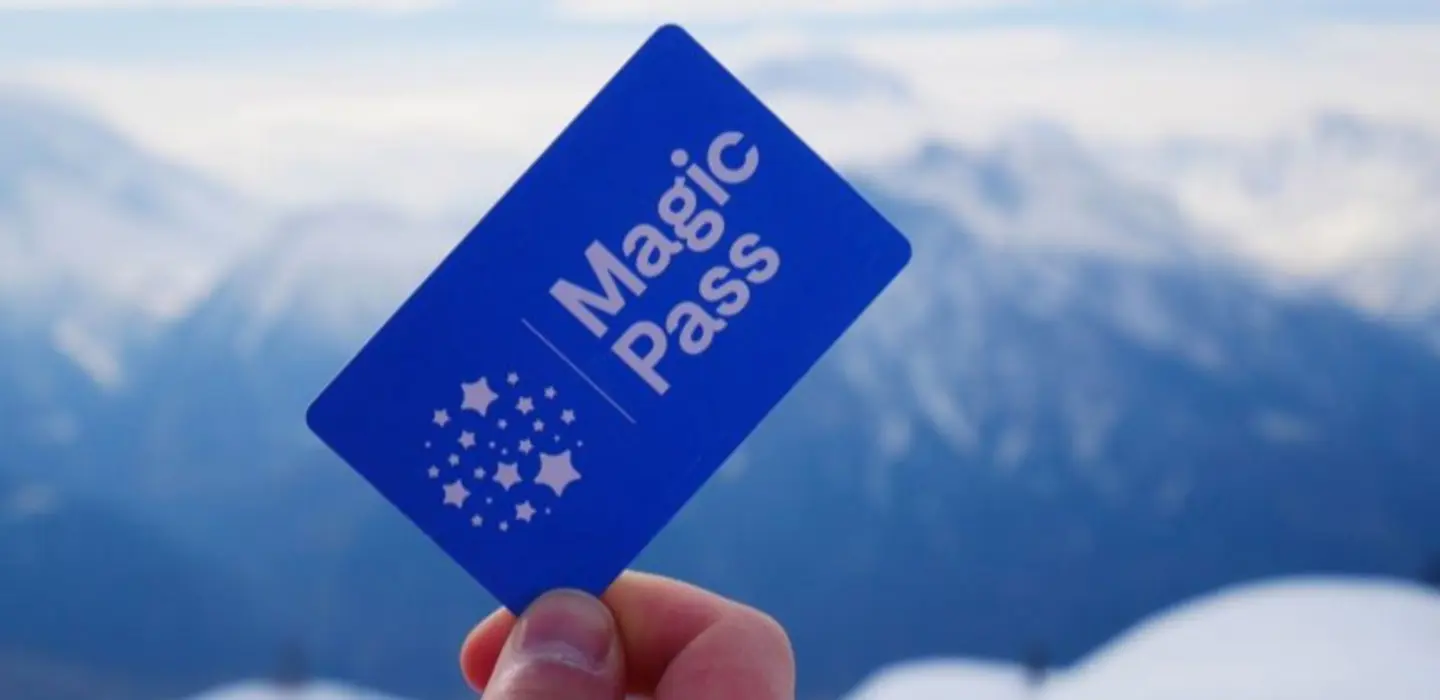
Switzerland’s fast-growing Magic Pass mountain subscription is entering the 2026/27 winter season with record summer visitation, strong pass sales and a new public transport initiative designed to make its network of resorts easier to reach.
The cooperative behind the pass reported that its destinations welcomed 1.2 million visits between 1 May and 28 October 2026, marking the strongest summer performance in the programme’s history. At the same time, more than 383,000 Magic Pass subscriptions for the 2026/27 season had already been sold, with the organisation forecasting sales could reach 390,000 by the end of the year.
The figures underline how dramatically the Alpine season pass has evolved since its launch. What began as a ski-focused product has increasingly become a year-round mountain leisure subscription, covering lift access during both winter and summer across a network spanning more than 100 destinations in Switzerland, France and Italy.
New ‘Magic Travel’ transport benefit
A major development for the 2026/27 season is the introduction of Magic Travel, which came into effect on 1 November 2026.
Under the scheme, pass holders receive five day trips on public transport during the winter season, allowing them to travel from anywhere in Switzerland to participating Swiss Magic Pass destinations by train and/or bus at no additional cost. The benefit is available until 30 April 2027 and can be booked through the Magic Pass website and mobile app.
The initiative reflects a broader trend among Alpine operators seeking to reduce dependence on private vehicles while simplifying access to mountain resorts. By integrating rail and bus journeys with a season pass product, Magic Pass is aiming to lower barriers for spontaneous visits while supporting more sustainable travel patterns.
To manage demand, reservations are limited according to timetable capacity and can be booked up to seven days in advance, with cancellations permitted until midnight on the day before travel.
Summer becomes an increasingly important business
The latest figures also highlight the continuing rise of summer mountain tourism.
According to Magic Pass, 69% of customers used their subscription during the summer period, while summer activity now accounts for more than 20% of annual usage. The busiest day of the season occurred on the final Sunday of August, when destinations recorded 21,769 visits in a single day.
Demand was spread across the network, with the Canton of Bern accounting for 23% of summer visits, followed by Central Switzerland and the Canton of Fribourg at 18% each. The Upper Valais generated 17% of visits, while the French-speaking Valais represented 13.5%.
The results provide further evidence of an industry-wide shift in the Alps, where operators are increasingly relying on hiking, mountain biking, sightseeing and other warm-weather activities to diversify revenues beyond traditional ski operations.
A powerful alternative to destination-specific passes
Magic Pass has become one of Europe’s most successful multi-resort mountain pass products by offering unlimited access across an extensive network rather than focusing on a single flagship destination.
For the 2026/27 edition, the pass provides access to more than 100 partner resorts, including 90 destinations in Switzerland, 10 in France and three in Italy. The network encompasses more than 2,000 kilometres of ski terrain, alongside extensive summer operations.
Its growth has challenged traditional destination-specific season pass models and mirrors the wider popularity of multi-mountain products seen elsewhere in the global ski industry. By combining skiing, hiking, biking and now public transport benefits within a single annual subscription, Magic Pass has positioned itself as a four-season mobility and recreation product rather than solely a ski pass.
The record summer figures suggest that strategy is continuing to resonate with consumers, providing a strong foundation as the network heads into the 2026/27 winter season.
Related Articles

06/November/2026

06/November/2026


